
Subscribe for more!
Subscribe to our newsletter for insights and articles on wide ranging issues including reputation management, branding, advertising, awareness, advocacy, and communications. You can unsubscribe anytime.
Follow us on social:


What makes comment marketing the optimal social strategy?

Ever scroll past a post and think, “Why are all these organisations in the comments?” Yep — that’s comment marketing. Social listening has become a key component of social media management, but it takes more than just listening to truly connect with an audience.
Increasingly, organisations are leaving comments on social media posts as a form of community engagement. In 2017, Wendy’s social media account on X (formerly known as Twitter) went viral for its sassy and witty remarks. Recently, accounts like Duolingo have seen similar positive results from the same kind of behaviour. These are both great examples of comment marketing gone right; both companies saw significant changes in their popularity after employing this tactic. After seeing how effective this was, multiple organisations started trying to replicate this strategy.
As organisations gain more visibility through comment marketing, they're also gaining influence. Comment sections aren't just spaces for witty remarks; they're opportunities for organisations to advocate values, amplify important conversations, and show audiences what they stand for in real time. Consequently, some might even argue that comment marketing is a better social strategy than content itself: here's why.

Paid ads and influencers can be very effective but expensive. Organic media mis a cost effective alternative, especially for organisations with smaller budgets. In some cases, organic content can perform even better than paid content. Creating content and community management are core components of social media management. Once content is created, it’s easy to forget about it; however, effective community management includes responding to comments on content as well as engaging with and commenting on other creators’ content, allowing for two-way communication with the audience.
Comment marketing helps humanize a brand while setting it apart from competitors. By engaging with people directly through their own content, organisations appear more relatable and human. According to Cialdini’s Seven Principles of Persuasion, the principle of unity suggests that people are more likely to be influenced by those they perceive as sharing a common identity. The principle of unity becomes even more powerful when organisations show alignment not only with their audiences' humour and language, but with their values and beliefs.
Comment marketing also allows organisations to demonstrate social awareness and values authentically. Audiences, especially Gen Z, expect organisations to be aware of social issues and to engage thoughtfully, rather than remain silent or performative. When organisations use comments to advocate for their cause and validate community concerns, they're not only increasing their engagement, but they're building emotional connection and trust with their audience.
It is essential to maintain a consistent in brand identity when interacting with audiences, as this presents a unified look and fosters brand recognition and loyalty. Inconsistent brand representation can also come off as disingenuous and performative.
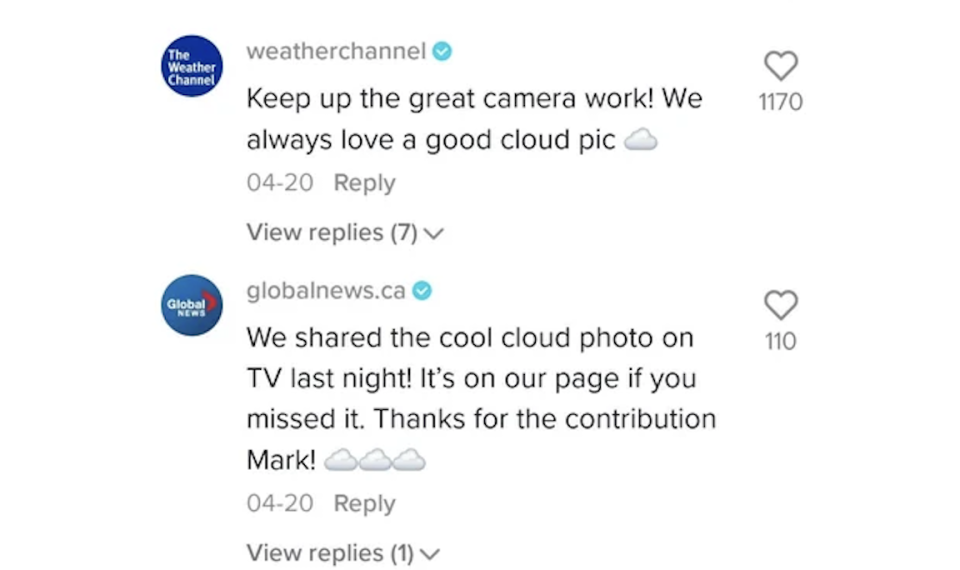
Advocacy in comment marketing should always be intentional. Companies should avoid jumping into serious conversations purely for visibility and instead focus on causes that genuinely align with their mission and values. Social awareness is crucial - in some cases, the most responsible choice is restraint. Silence can be more appropriate than force participation.
Using humour and a touch of quirkiness (when it aligns with the brand identity) can be an effective approach to comment marketing. Leaning into Gen Z language, internet humour, or
matching the tone of the rest of the comment section helps organisations feel more natural and engaging to audiences. Even something as simple as complimenting a creator who is using the brand’s product or offering a subtle brand shoutout can be effective while remaining low risk.
Finally, best practice is to reinforce educational messages, uplift creators, and validate experiences, while being relatable. Focus on posts that resonate with the target audience and already have enough engagement to justify joining the conversation.
Comment marketing is becoming a go-to tactic for community engagement, but with that influence comes responsibility. It opens an opportunity to reinforce messages and key values, as well as uplift causes, not just personalities. Comment marketing provides organisations with the opportunity to engage in social conversations and create micro-moments of advocacy that audiences notice and remember. By remaining consistent, relatable, and relevant, organisations can increase visibility and engagement while contributing positively to the digital spaces they occupy.
At spark*, we constantly stay up-to-date with new trends and any opportunities to advocate for our clients and their causes. If you are interested in exploring whether comment marketing makes sense for your organization as part of a broader communications and social media community management strategy, drop us a line!
Tell us your needs, challenge us with your project, get an estimate, come for a coffee and a chat (or reach out for a virtual one)!
Address: 71 Bank Street, 6th Floor, Ottawa, Ontario, K1P 5N2
Email: hello@sparkadvocacy.ca
Telephone: (613) 367-5513
Follow us on social:


© 2026 spark*advocacy Inc., All rights reserved.