Subscribe for more!
Subscribe to our newsletter for insights and articles on wide ranging issues including reputation management, branding, advertising, awareness, advocacy, and communications. You can unsubscribe anytime.
Follow us on social:


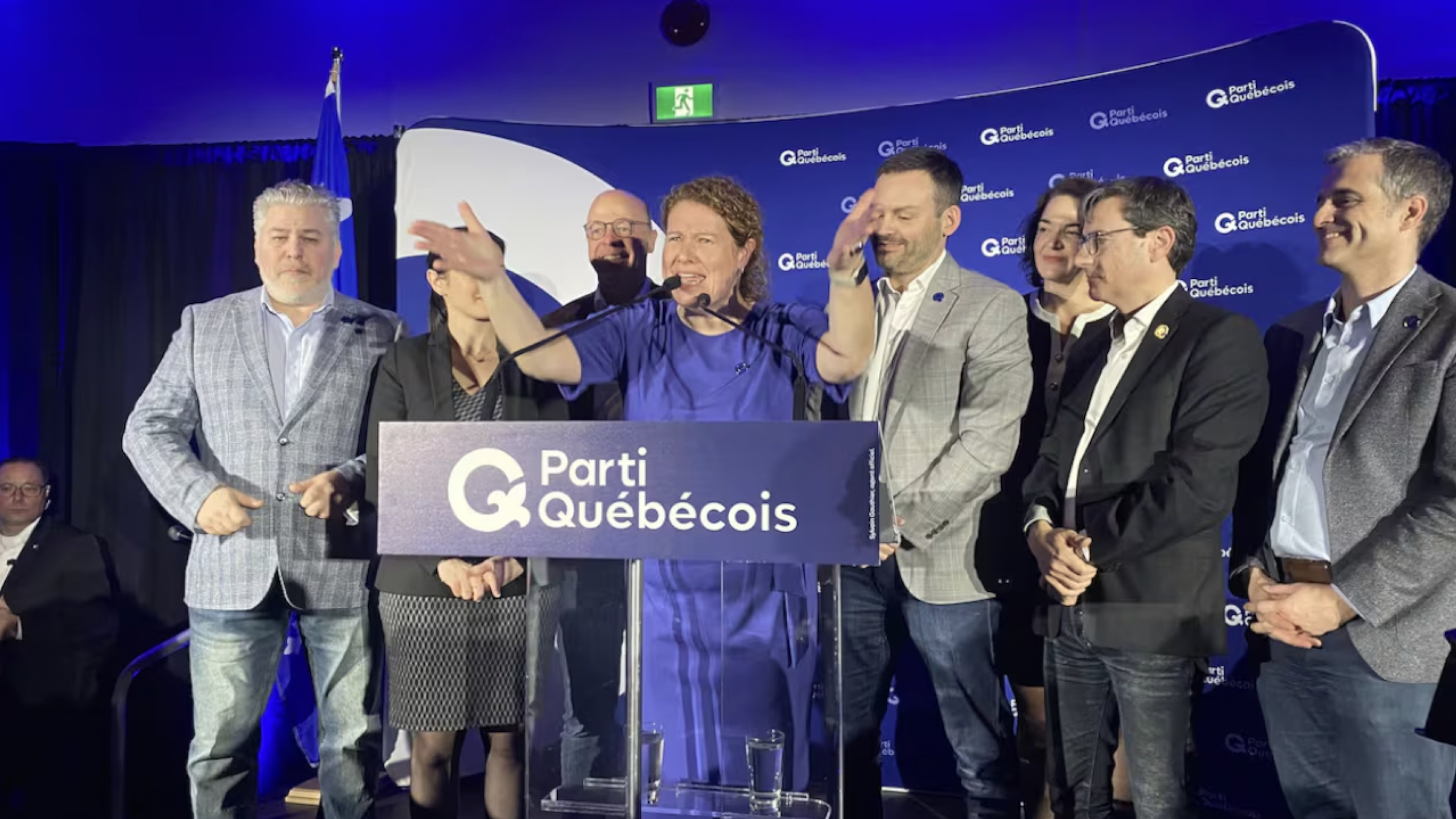
The Parti québécois by-election victory in Chicoutimi, following the one in Arthabaska just months before, suggests to something structural, not circumstantial. When voters use low-turnout, low-risk by-elections to send a message twice in six months, it’s rarely random.
By-elections are often where identity politics reasserts itself first. They give voters a chance to signal discontent without immediately changing government. The stakes are lower, which makes them revealing. Chicoutimi and Arthabaska look like signs of a broader identity recalibration in Quebec politics, particularly at a time of renewed federal-provincial tensions and persistent economic uncertainty. It should be noted that that same uncertainty led PQ party leader Paul St-Pierre Plamondon to specify that, if elected, the timing of an independence vote would remain adjustable.
What captured my attention is this moment’s distinct tone. Today’s sovereigntist resurgence doesn’t look like 1995. It’s quieter. More pragmatic. It’s less emotional and less theatrical. It’s not rally-in-the-streets separatism, it’s ballot box recalibration. Voters appear to be making early choices as leverage rather than rupture.
When we look at them together, the recent PQ wins suggest that Quebec is heading into a clearer sovereignty versus federalism divide after years of ambiguity under the Coalition Avenir Québec. The CAQ blurred that line by positioning itself as a nationalist government within Canada. If voters increasingly feel that autonomy within the federation has reached its max, they’re going to look for an alternative that promises a different form of agency.
And so, Chicoutimi is not an isolated event. It’s part of a pattern. And patterns, in Quebec politics, have a way of becoming movements.
Tell us your needs, challenge us with your project, get an estimate, come for a coffee and a chat (or reach out for a virtual one)!
Address: 71 Bank Street, 6th Floor, Ottawa, Ontario, K1P 5N2
Email: hello@sparkadvocacy.ca
Telephone: (613) 367-5513
Follow us on social:


© 2026 spark*advocacy Inc., All rights reserved.